Polypropylene (PP) Granules: Introduction, Applications, and Features
Thanks to carefully sourced raw materials, stringent quality control, and expert technical support, Granurex PP granules have earned the trust of manufacturers who demand consistent performance and long-term reliability.
What is Polypropylene Granule (PP)?
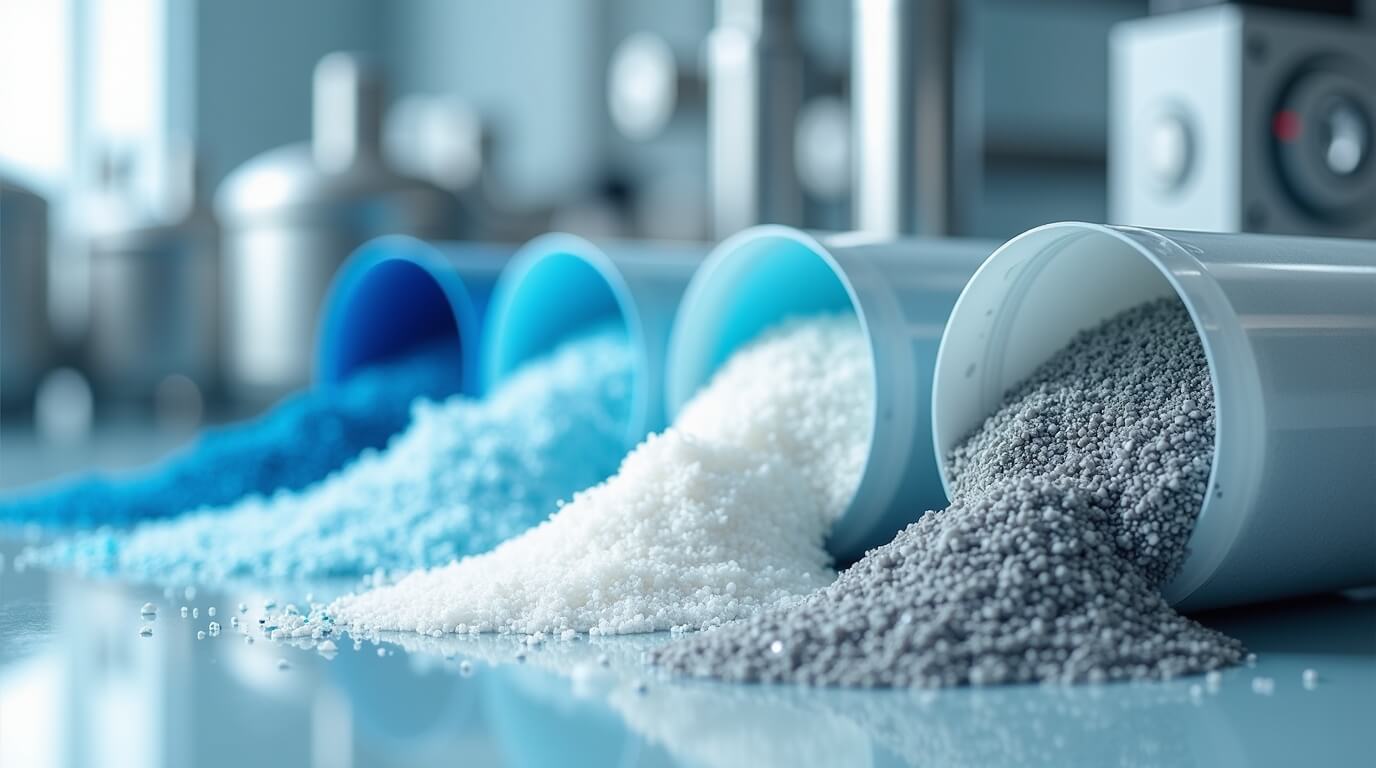
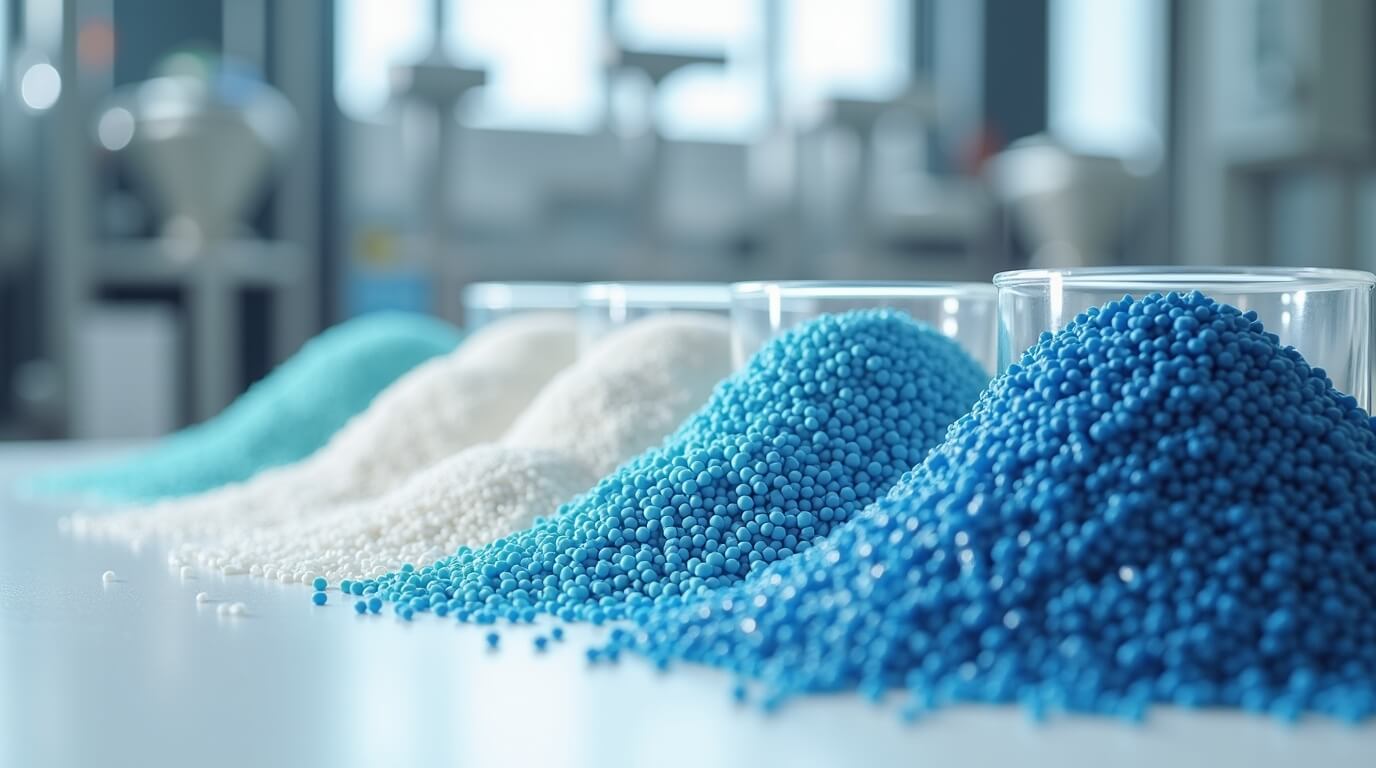
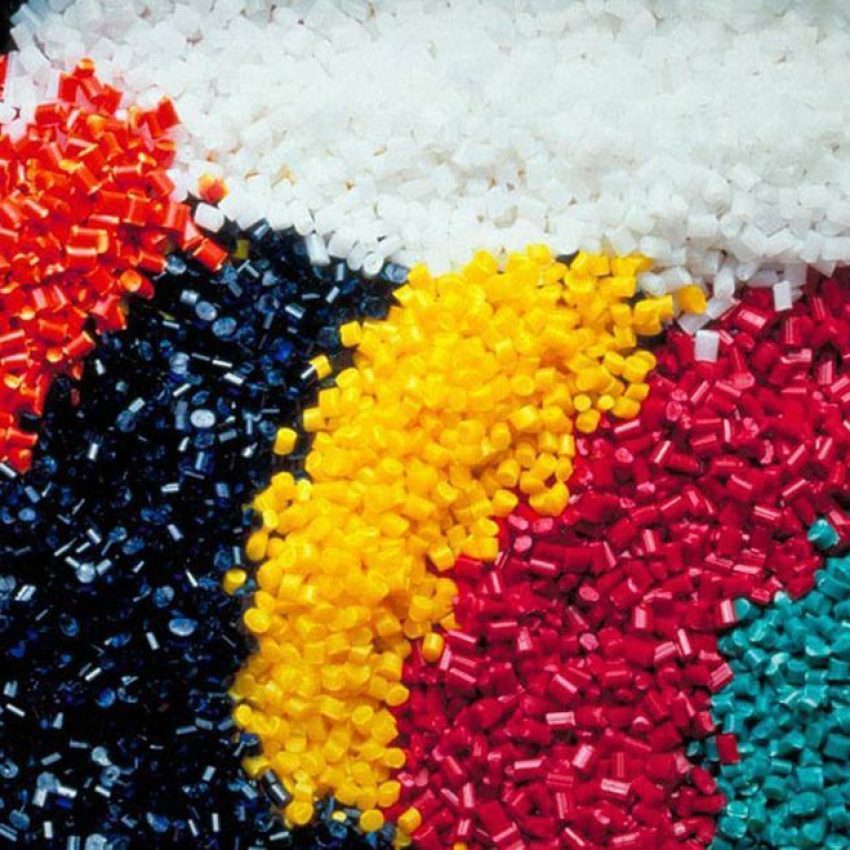
Polypropylene granules are small, uniform plastic pellets that serve as the raw material for a wide range of plastic products. These granules are melted during industrial processes and shaped into final products through molding or extrusion.
The pelletized form of polypropylene offers numerous benefits, such as:
- Enhanced viscosity control
- Improved flow and processability
- Uniformity in final product quality
Based on polymerization methods and molecular structure, polypropylene is categorized into three primary types:
- Isotactic PP: Methyl groups are aligned on the same side of the polymer chain, offering high crystallinity and superior mechanical strength.
- Syndiotactic PP: Methyl groups alternate sides, resulting in a more flexible structure with different thermal properties.
- Atactic PP: Has a random arrangement of methyl groups, producing a soft, rubbery texture, typically used in non-structural or specialized applications.
PP granules may be made from virgin or recycled materials. Virgin grades provide better mechanical and chemical performance, making them ideal for high-precision and critical-use applications.
Applications of Polypropylene Granules (PP) (PPapplication.jpg)
Polypropylene granules are highly valued for their lightweight structure, chemical resistance, cost-effectiveness, and versatility. Here are some of the key applications across various industries:
✅ Food Packaging & Disposable Containers
PP is widely used to manufacture microwave-safe containers, colorful cups, and hygienic lunch boxes due to its moisture and heat resistance.
✅ Medical & Healthcare Equipment
Its non-toxic nature makes PP ideal for syringes, IV parts, and other sterile, single-use medical devices. It allows easy molding into complex, precision-required shapes.
✅ Automotive Components
Bumpers, dashboards, interior panels, and trims rely on PP’s high impact resistance, low weight, and durability in extreme environments.
✅ Construction Industry
PP pipes are common in plumbing, sewage systems, and HVAC ducts. Their resistance to pressure, chemicals, and corrosion ensures long service life.
✅ Orthopedic & Medical Support Devices
Special grades of PP are used to produce medical boots, braces, and other orthopedic supports due to their strength, light weight, and comfort.
Major Applications of Polypropylene (PP) Granules
Among all manufacturing processes, injection molding is the most prevalent use of PP granules. Other major applications include:
- Blow molding: For transparent bottles, medical containers, and water tanks
- Fiber production: For nonwoven textiles, ropes, and geotextiles
Other common end products made from PP granules include:
- Reusable boxes and crates
- Casings for electronic devices
- Anti-decomposition agricultural nets
- Beverage bottles and caps
- Cable and wire insulation
- Films for packaging and printing
- Plumbing and sewage pipes
- Medical bandages and adhesive tapes
- Sanitary and curtain fabrics
- Nonwoven fabrics used in face masks and filters
- Household items like suitcases, toys, and storage bins
- Sterilizable surgical tools and hospital equipment
- Closures and lids for bottles
- Small appliances and electronic housings
Key Features of Polypropylene (PP) Granules
The popularity of polypropylene in mass production is due to its unique combination of chemical and mechanical properties. Key features include:
- Low Density: Makes it lightweight and ideal for reducing shipping and material costs
- High Tensile Strength: Ensures durability in high-stress applications
- Excellent Flexibility & Impact Resistance: Suitable for applications that demand toughness
- Chemical Resistance: Stable against acids, alkalis, and many solvents
- Thermal Resistance: Withstands high temperatures, suitable for microwavable products
- Colorless Base: Easily colored or blended with additives for custom applications
- Recyclability: Environmentally friendly and compliant with global sustainability trends
- Compatibility with Other Polymers: Can be blended to enhance or customize properties
- Medical-Grade Adaptability: Trusted in sterile and single-use medical environments
Its ability to replace other materials while maintaining or even improving performance makes PP a top choice in competitive industries.
PP Granule Price and Market Factors
The market price of polypropylene granules is influenced by several factors, including:
- Grade type (virgin vs. recycled)
- Quality of raw materials
- Global supply and demand
- Crude oil prices (as the base feedstock)
- Transportation and logistics costs
Due to its widespread demand, the price of PP is highly sensitive to international market trends and availability of petrochemical feedstocks.
For real-time pricing and expert consultation, feel free to contact our sales team today. (Link to Contact US)
- What is Polypropylene (PP) and why is it produced in granule form?
Polypropylene is a lightweight and durable thermoplastic polymer widely used in various industries. It is produced in granule form to ensure consistent quality, easy transportation, efficient feeding into machines, and smooth processing in molding or extrusion applications.
- What are the key characteristics of polypropylene granules?
Polypropylene granules offer a combination of low density, high tensile strength, chemical resistance, thermal stability, flexibility, and excellent processability. They are also colorless, recyclable, and can be modified with additives.
- Which industries commonly use PP granules?
Industries such as food packaging, healthcare, automotive, construction, home appliances, and textiles frequently rely on PP granules for manufacturing lightweight, durable, and cost-effective plastic products.
- What are the main processing methods for PP granules?
Polypropylene granules are typically processed through injection molding, blow molding, film blowing, and fiber extrusion. Each method is selected based on the specific product requirements.
- What defines the quality of polypropylene granules?
Quality is determined by factors such as particle size uniformity, controlled melt flow index (MFI), purity of raw materials, consistent color and viscosity, and strict quality control throughout production.
- How does Melt Flow Index (MFI) affect PP granule performance?
The Melt Flow Index reflects how easily the material flows when melted. A higher MFI suits thin-walled or complex shapes, while a lower MFI is preferred for robust, structural components.
- Can polypropylene granules be customized in color?
Yes. PP granules can be easily blended with masterbatches to achieve a wide range of custom colors and finishes, depending on end-use requirements.
- Why is polypropylene a preferred material for food packaging?
PP is non-toxic, odorless, moisture-resistant, and microwave-safe. It complies with food safety standards and is ideal for items such as lunch boxes, containers, cups, and packaging films.
- Are polypropylene granules environmentally sustainable?
Polypropylene is fully recyclable and can be reused in various applications. Its recyclability supports sustainability initiatives and helps reduce plastic waste.
- What factors influence the market price of PP granules?
Prices are affected by global crude oil rates (as the base raw material), grade type (virgin or recycled), production costs, regional supply-demand dynamics, and logistics expenses.